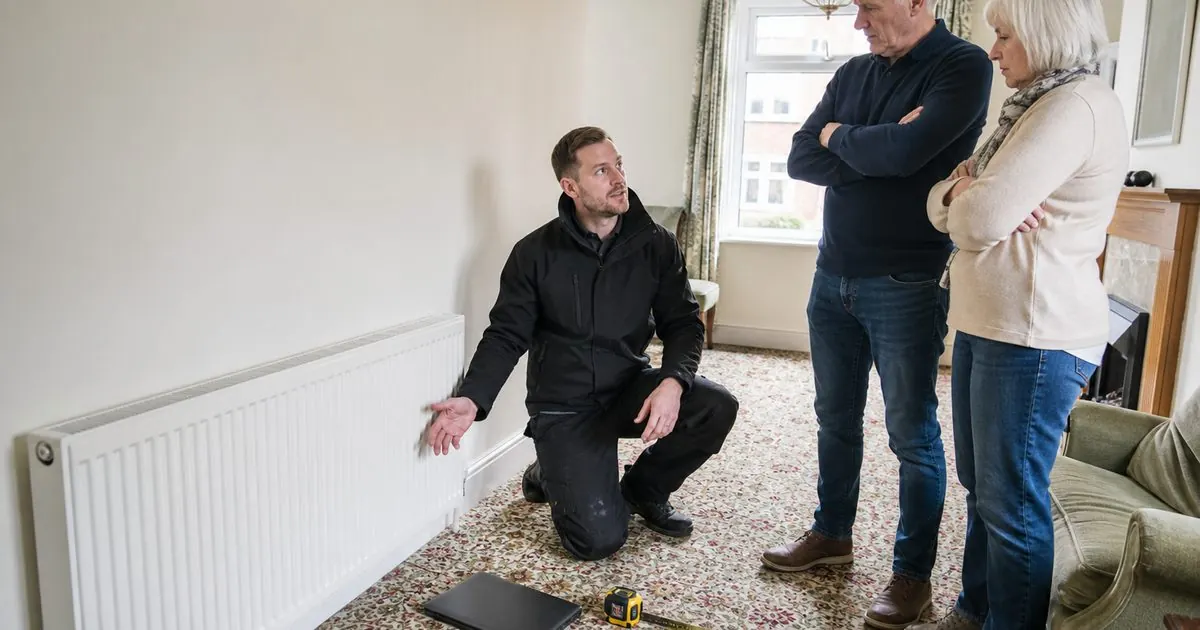
In most solar and heat pump businesses, the owner is the first salesperson. They take the calls, do the surveys, write the quotes and close the deals, often in the evenings after a day on a roof or in a plant room. It works until it doesn't. The question is when to hand selling to someone else, and how to make sure that person has enough to do from day one.
This post answers that question: the signs it is time, how much lead flow a rep needs (with a worked example), the sums on whether a hire pays for itself, and what to put in place first. How to recruit and keep a good rep is a separate topic, covered in how to hire and keep good salespeople.
Signs you are ready
You don't need all of these. Three or more usually means it is time.
- Leads are waiting more than a day for a call back because you are on site or on another appointment.
- You are turning down survey slots or booking them two to three weeks out.
- Quotes go out late. A homeowner who waits a week for a price has often had two other quotes by then.
- Your close rate drops in busy weeks. That is a capacity problem, not a skill problem.
- Installs are suffering because you are selling instead of managing the work.
- You have six months of steady enquiries, not one good month.
The last point matters most. Hiring off the back of a spike is how installers end up with a rep sitting idle in month three.
Signs you are not ready yet
- Enquiries swing wildly month to month. (We cover the cost of that in the hidden cost of inconsistent lead flow.)
- You don't know your own close rate from booked appointments.
- There is no written process: how a lead is followed up, what happens at the visit, how a quote is presented.
- Every lead lives in your phone, WhatsApp or a notebook.
A new rep can't follow a process that only exists in your head. Fix that first or you will spend months wondering why they don't sell like you.
How much lead flow a salesperson needs
Work backwards from what one rep can realistically do. A field rep selling solar, battery or heat pump systems in homes can usually run two appointments a day, sometimes three if the patch is tight. Allow for travel, quoting time and follow-up calls, and eight to ten sits (appointments where the homeowner is there and the full presentation happens) a week is a sensible full diary.
Then work back through your funnel:
- Sits needed per week: the target diary.
- Show rate: of appointments booked, how many actually happen.
- Booking rate: of enquiries, how many book an appointment.
- Enquiries needed: sits divided by show rate, divided by booking rate.
A worked example
These are illustrative numbers for a solar and battery installer. Swap in your own.
| Step | Figure |
|---|---|
| Target sits per week | 9 |
| Show rate (booked appointments that happen) | 80% |
| Appointments to book per week | 9 / 0.8 = about 11 |
| Booking rate (enquiries that book) | 35% |
| Enquiries needed per week | 11 / 0.35 = about 32 |
| Enquiries needed per month | about 140 |
| Close rate on sits | 30% |
| Sales per week | about 2.7 |
| Sales per month | about 11 to 12 |
So this rep needs around 140 enquiries a month to stay busy and produce 11 or 12 sales. If you currently get 60 enquiries a month and close most of them yourself, a full-time rep would be half idle. If you get 200 and can only run 15 appointments a month, a rep is overdue.
For heat pumps, the visit is usually longer because of the heat loss work, so a rep (or a surveyor-seller) may manage fewer sits a week. Lower the target sits and the enquiry figure drops with it. Qualifying harder before the visit matters even more; see pre-qualifying heat pump leads.
Will the hire pay for itself?
Do the sums before you advertise the job. Again, illustrative figures:
- Average job value: £10,000
- Gross margin after kit and labour: 30%, so £3,000 a job
- Extra sales the rep makes that you could not have made yourself: 6 a month (not all 11, because you were already closing some)
- Extra gross margin: 6 x £3,000 = £18,000 a month
Against that, put the full cost of the rep: base pay, commission, employer's National Insurance and pension, a vehicle or mileage, phone, laptop and training time. If the extra margin comfortably covers the cost after a three month ramp-up, the hire stacks up. If it only works when everything goes perfectly, wait, or look at more lead flow first.
The honest part of this sum is the word "extra". A rep who takes over leads you would have closed anyway costs money without adding sales. The gain comes from leads you are currently dropping and the time you get back to run the business.
Field rep, setter or outsourced?
Your first sales hire doesn't have to be a field closer.
| Option | Best when | Watch out for |
|---|---|---|
| Appointment setter (office or remote) | You can close well but leads aren't called fast enough | You still run every visit |
| Field sales rep | Your diary is full and you are the bottleneck at the visit | Needs steady leads and a clear process |
| Surveyor who also sells | Heat pump work where the technical visit is the sale | Hard to find; risk of a great surveyor being a poor closer |
| Outsourced closers | You want capacity without recruiting and managing | Needs a process they can follow and honest reporting |
We go through the outsourced route in detail in outsourced setters and closers. For context, our own sales closing service took Eco2u Ltd from zero to a £250,000 a month business by closing booked appointments on their behalf.
Before the first day: a short checklist
- A CRM where every lead, appointment and quote sits, so you can see what the rep is doing.
- Lead routing by postcode into the rep's diary, with reminders that cut no-shows.
- A written sales process: first call, visit structure, quote format, follow-up steps.
- Clear rules on pricing and discounts: what the rep can offer and what needs your sign-off.
- A pay plan agreed in writing, with commission paid on installed jobs and a clear rule on cancellations.
- Employment basics checked. Right to work checks are needed before employment starts, and if your rep is a worker rather than genuinely self-employed, they are entitled to at least the National Minimum Wage. A written agreement on its own doesn't settle status; what happens in practice does.
- A target band for the first three months, so you both know what good looks like.
Plan the lead flow and the hire together
The mistake we see most often is hiring the rep and then trying to find the leads. Do it the other way round: get enquiries steady at the level your worked example says you need, then hire into that flow. For solar and battery and heat pump installers, that usually means your own campaigns and a funnel that qualifies before the visit.
Talk it through
If you are weighing up a first sales hire, book a free video call with Tom. We will look at your current enquiry numbers, work out what a rep would need, and talk through whether hiring, outsourcing or more lead flow comes first.
Sources
Questions owners ask
How many leads does a solar salesperson need each month?
Work backwards from the appointments they can run. A rep doing eight to ten home visits a week typically needs somewhere around 100 to 150 enquiries a month, depending on how many answer, book and turn up. Use your own booking and show rates, not industry guesses, and make sure the flow is steady before the rep starts.
Should my first salesperson be commission only?
Commission-only roles attract fewer strong candidates and leave quickly when leads dip. Most installers do better with a modest base plus commission paid on installed jobs, with a clawback for cancellations. Whatever the structure, check employment status and minimum wage rules, because an agreement alone does not decide whether someone is self-employed.