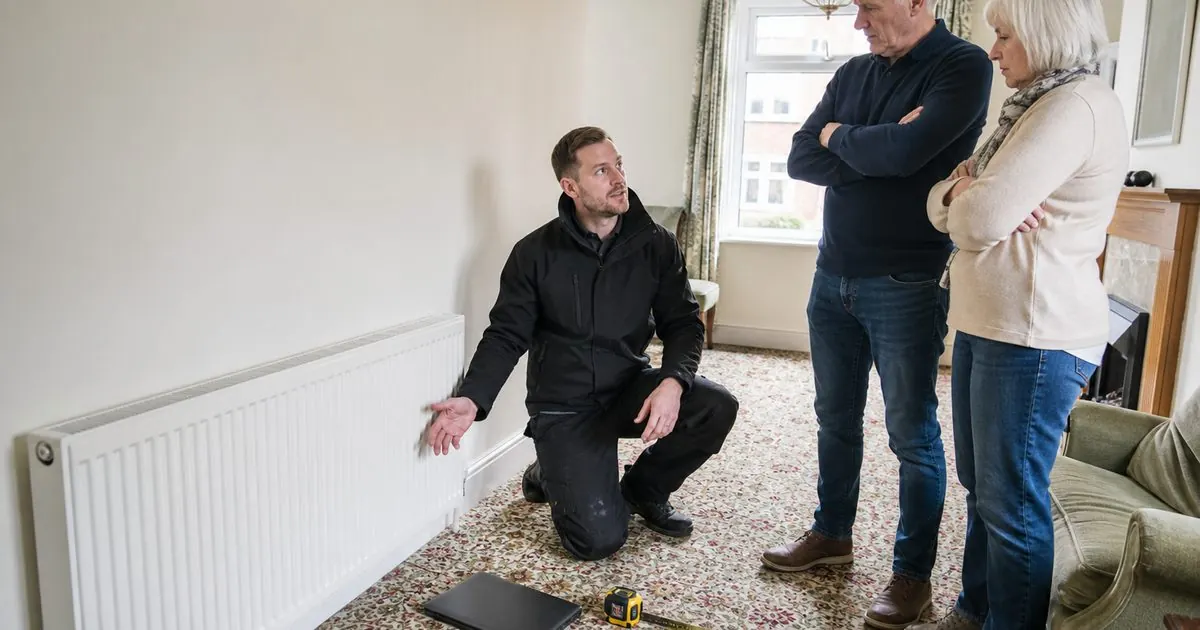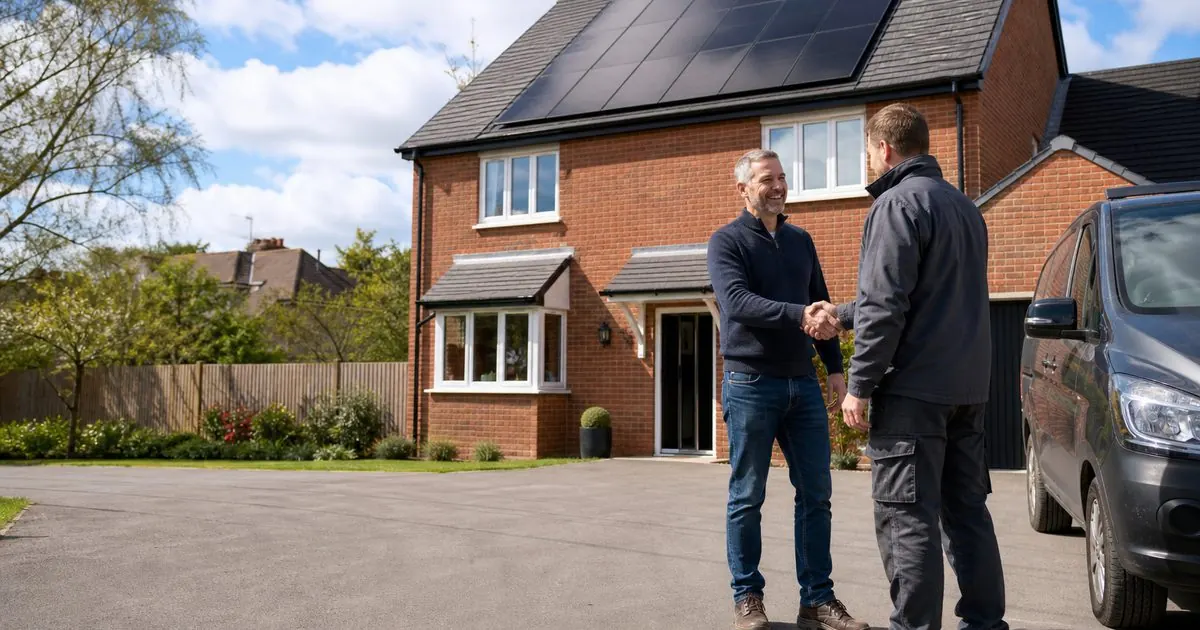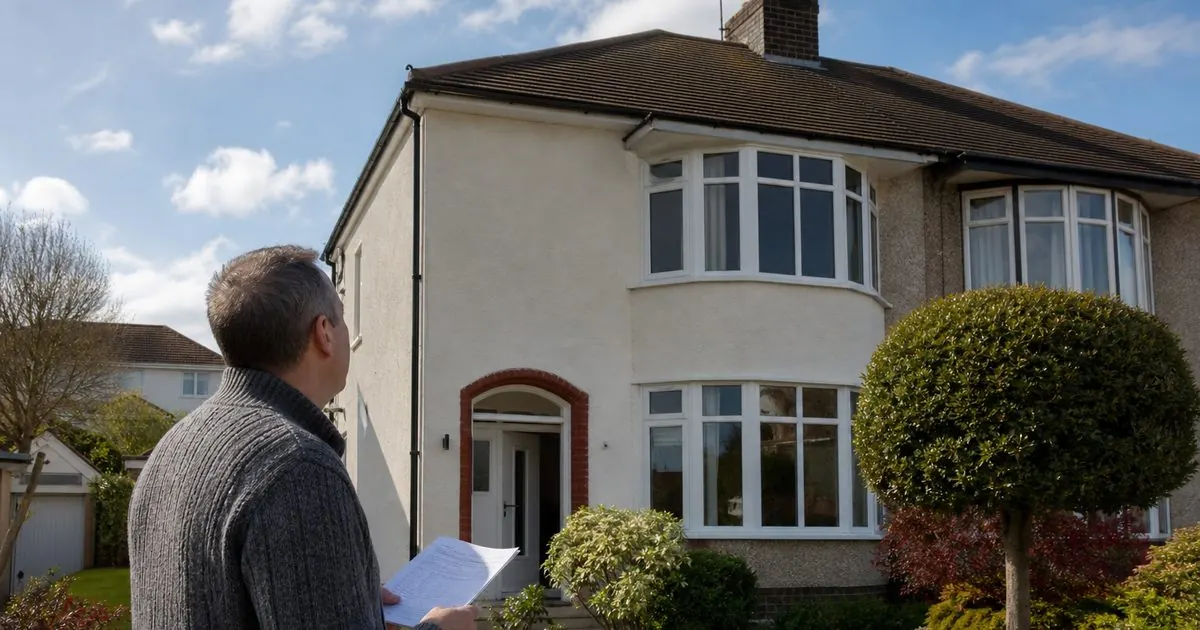
Every installer has a gut feel for a good lead. The phone gets answered, the homeowner knows what they want, and the survey turns into a sale. The trouble with gut feel is that you can't hand it to a setter, a new rep or an ad platform. You need a definition.
This guide sets out what a good solar or heat pump lead looks like for a UK installer: the three checks it should pass, what each check means for solar, batteries and heat pumps, and a simple grading sheet your team can use on every enquiry.
Start with the basics: can you reach them?
Before any qualification, a lead has to be real. That means a working phone number or email, a full name, a postcode in your area, and evidence they knowingly asked to hear from you. If a lead fails this, it is not a bad lead, it is not a lead at all. If you are seeing a lot of these, our post on fake and junk Facebook leads covers the causes.
Once a lead is reachable, three checks decide whether it is worth a survey.
Check 1: the person and the property
Does this person have the right to say yes, and does the home suit the product?
For solar and batteries
- Owner-occupier. Tenants can't agree to roof work. Landlords can, but they are a different conversation.
- Roof. Orientation, shading, size and condition. South, east and west roofs can all work; a heavily shaded or very small roof needs a frank conversation early.
- Listed building or conservation area. Not a dealbreaker, but it changes the timeline.
- Existing panels. A home that already has solar may be a battery retrofit lead rather than a new system. That is often a good lead; see battery retrofit campaigns.
- All decision makers known. If two people own the house, both should be part of the visit.
For heat pumps
- Owner-occupier or landlord. The Boiler Upgrade Scheme is for property owners, including landlords and second homes. Social housing and most new builds still under construction are not eligible.
- Current heating. The scheme supports replacing fossil fuel or electric heating. A home already heated by a heat pump won't qualify for the grant.
- Outside space for the unit, and some idea of where a hot water cylinder could go.
- Property type. Houses and bungalows are straightforward. Flats need more checks.
Our post on pre-qualifying heat pump leads goes into the heat pump questions in more detail.
Check 2: budget and finance route
Is there a realistic way for this person to pay?
You don't need to ask about income, and you shouldn't. You need to know which route they are likely to take, because it changes the conversation and the paperwork.
| Route | What to know at lead stage | Notes (as of November 2026) |
|---|---|---|
| Cash or savings | Rough budget they have in mind | Many solar buyers pay this way |
| Finance | Whether they are open to monthly payments | Low and no-interest loans are available through participating lenders under the Warm Homes loan scheme, with normal affordability and credit checks |
| Grant plus cash or finance (heat pumps) | Whether they know about the Boiler Upgrade Scheme | GOV.UK lists £7,500 towards an air source or ground source heat pump, with an extra £1,500 for oil or LPG homes with no mains gas until March 2027 |
Two other facts shape budget conversations right now. Installation of solar panels, batteries and heat pumps in homes is zero-rated for VAT until 31 March 2027, after which it reverts to 5%. And Warm Homes loans require an MCS-certified installer for these measures. If you are not MCS certified, a lead who is set on that loan is not a good lead for you.
A good lead on this check is someone who has thought about how they would pay, even roughly. "We'd want to spread it monthly" is a perfectly good answer. "I thought it was free" is not, and it usually means the ad set the wrong expectation.
Check 3: timing and motivation
Why now, and how soon?
This is the check most funnels skip, and the one that most affects close rates.
Strong motivations:
- Bills that have climbed and a clear wish to cut them.
- A boiler that is old, failing or already broken.
- A new or planned electric car.
- Retirement planning: fixing running costs before income drops.
- An existing solar system with export going to waste, leading to a battery.
- Moving into a home and doing the work before settling in.
Timescales, from strongest to weakest:
- Within the next month.
- Within three months.
- This year.
- Just researching.
"Just researching" is not a bad lead. It is a lead for a nurture sequence, not a surveyor's diary. Treat it that way and both your conversion rates and your survey team's time improve.
A simple grading sheet
Score each check as pass, partial or fail, then use the grade to decide the next step.
| Grade | Checks | Next step |
|---|---|---|
| A | All three pass | Book the survey straight away |
| B | Two pass, one partial (often timing) | Short call or video call, then book |
| C | One or more partial, none failed | Useful guide plus follow-up in two to four weeks |
| D | Any check fails | Polite, helpful reply; route renters to a landlord message; no visit |
Put the grade in your CRM as a field, and review every month which grades actually turned into sales. You'll probably find B leads close better than you expected and C leads take far longer than your reps assumed.
What a good lead is not
- Not just a cheap one. A low cost per lead that fails these checks costs you more per install. See lead quality vs lead volume.
- Not a perfect one. Leads who are "not sure" about roof direction or radiator sizes are normal. That's what the survey is for.
- Not one shared with four other firms. Even a well qualified lead becomes a price fight if three other installers are calling at the same time.
How to get more leads that pass
Build the three checks into your marketing. Your ads should show real homes and real costs so expectations are right. Your funnel should ask the key questions in a few taps. Your follow-up should be fast, so the motivation is still warm when you call. At Attain, leads are 100% exclusive: never shared or resold, and we work with one installer per area. You can see how it fits together on our lead generation, solar and battery and heat pump pages.
Want to check your own leads?
Book a free video call with Tom. Bring a sample of last month's enquiries, and we will grade them together, show you where the good ones came from, and check whether your area is open.
Sources
- Boiler Upgrade Scheme: what you can get (GOV.UK)
- Boiler Upgrade Scheme: check if you're eligible (GOV.UK)
- Warm Homes loan scheme factsheet (GOV.UK)
- VAT on energy-saving materials and heating equipment, VAT Notice 708/6 (GOV.UK)
Questions owners ask
What are the three checks a qualified solar or heat pump lead should pass?
First, the person owns the home and the property suits the product. Second, they have a realistic way to pay, whether savings, finance or a mix with a grant. Third, they have a reason and a timescale to act. A lead that passes all three is worth a survey. One that fails a check needs a different next step, not a visit.
Is a lead who wants finance a worse lead than a cash buyer?
No. Many good customers pay for solar, batteries and heat pumps with finance, and the Warm Homes loan scheme has made low and no-interest loans available through participating lenders. What matters is that they have a realistic route to pay. A finance buyer who knows their monthly budget is often a better lead than a cash buyer with no timescale.