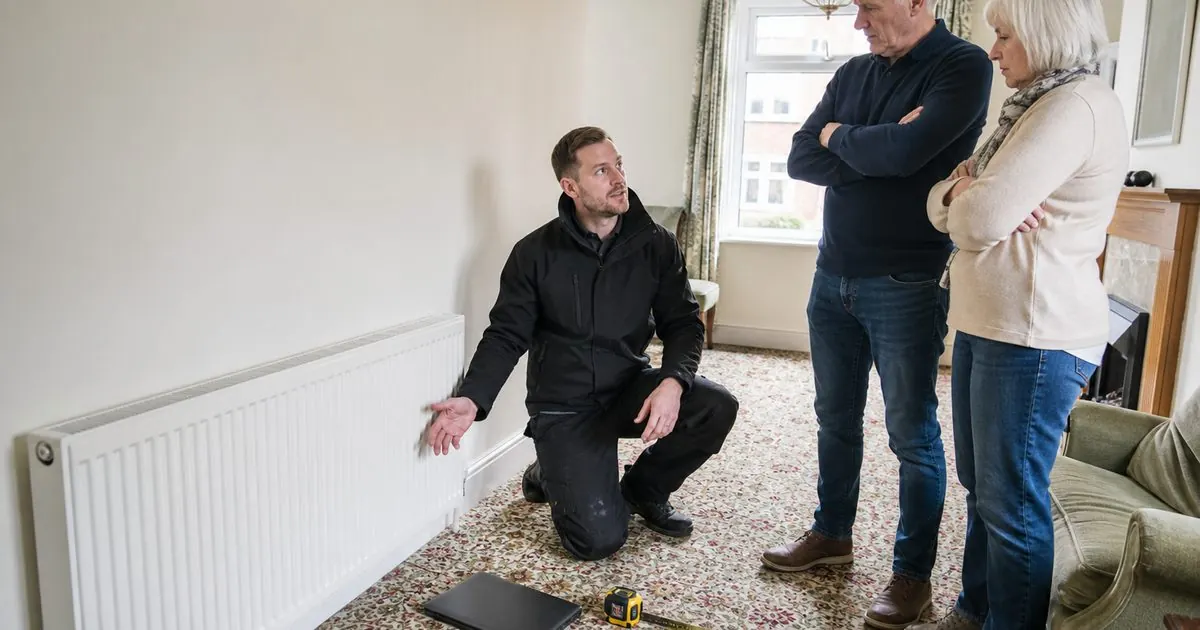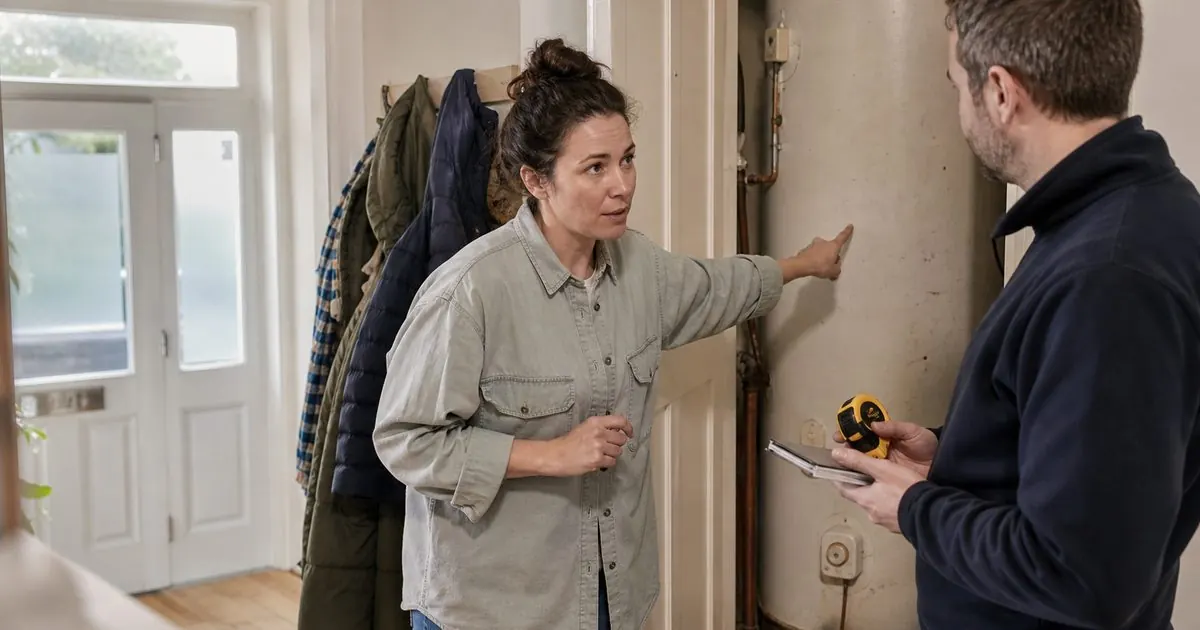
Two leads look identical in your CRM. Same postcode, same form answers, both booked a survey. One will buy within a fortnight. The other is gathering quotes for a decision next year. The difference is almost always visible in what they say and do, if your team knows what to look for.
These are buying signals. Spotting them helps you spend your time where it is most useful, answer the right questions at the right moment, and stop chasing people who are not ready. This article covers the five that matter most for solar, battery and heat pump installers, what to do with each, and how to record them so the whole team benefits.
One rule first: a buying signal is a cue to help, not to push. A customer who is warming up does not need pressure. They need the next step made easy.
Signal 1: they ask about timing and logistics
What it sounds like:
- "How long does the install take?"
- "Could you do it before Christmas?"
- "Would we need to be in all day?"
- "Where would the battery go?"
- "What happens with the hot water while you're fitting it?"
Questions about how it will happen are a sign the customer is picturing it happening. Someone at the curiosity stage asks what it costs and whether it works. Someone close to deciding asks about scaffolding, dates and where the cylinder goes.
What to do: answer properly, then offer something concrete.
"It's usually a two-day job for a system like yours, and you'd only be without power for a couple of hours. We've got install weeks available in early January. Would it help if I pencilled one in while you decide? There's no commitment."
Only say that if it is true. An invented "last slot" is a fake deadline.
Signal 2: they bring in the other decision-maker
What it sounds like:
- "Can you send that to my husband as well?"
- "My daughter wants to see the figures."
- "Could we do a video call on Thursday so my wife can join?"
Most solar and heat pump decisions are shared. When a customer starts involving the other person, they are taking the idea seriously enough to put it in front of someone else.
What to do: make it easy for the other person to catch up without you. Send a 2-minute video recap of the design, the price and the main reasons, and offer a short call at a time that suits both. Our article on video-call sales covers running those calls well.
Signal 3: they ask detailed, specific questions
What it sounds like:
- "What's the warranty on the inverter, not just the panels?"
- "Is that battery size right if we get an electric car next year?"
- "What's the total repayable on the finance, not just the monthly?"
- "Who does the commissioning, you or a subcontractor?"
The more specific the question, the further along the customer usually is. Detail means they are mentally owning the system and checking it against their life. Vague questions ("is solar worth it?") belong to earlier stages.
What to do: answer with precision, in writing as well as out loud, and do not gloss over the parts that are less flattering. If the inverter warranty is shorter than the panels, say so and explain what happens if it fails. Straight answers to detailed questions are where trust is won or lost.
Signal 4: they take action without being asked
What it sounds like, or looks like:
- They send a year of electricity bills or a photo of their meter before you ask.
- They send photos of the roof, loft or consumer unit.
- They book the survey themselves through your calendar link.
- They reply to your WhatsApp within minutes, including late at night.
- They come back with a second, more detailed question after the visit.
Actions are stronger signals than words, because they cost the customer time. Someone who has dug out their bills is doing work towards a decision.
What to do: respond quickly and acknowledge the effort. "Thanks for sending those over, that's really helpful. Based on your usage, I'd adjust the battery to a smaller size and save you some money. Here's the revised design." Speed matters most here. A customer who sends their bills at 9pm and hears nothing until Monday cools quickly. This is where an AI assistant that replies in seconds and passes to a person in the morning earns its keep.
Signal 5: they describe a trigger with a date attached
What it sounds like:
- "The boiler engineer said ours won't last another winter."
- "Our oil tank needs replacing and I don't want to spend that money on oil."
- "We've got an electric car arriving in March."
- "We've just moved in and want everything done before the baby comes."
- "Our fixed tariff ends in February."
A trigger is a reason to act now that comes from the customer's life, not from your sales pitch. It is the strongest signal of all, because the deadline is real and theirs.
What to do: plan around their date, not yours. Work backwards from it: survey, design, any grant paperwork, install. Show them the timeline. For heat pumps, a failing boiler is a common trigger, and it is worth explaining whether the grant applies before they commit to a like-for-like replacement in a panic. Never exaggerate the urgency; just help them meet the deadline they already have.
False signals to be careful with
Some things feel like buying signals and are not:
- Lots of compliments, no questions. "That all sounds brilliant" with nothing specific often means a polite no.
- "Send me some information." On its own, this is usually a way to end the call.
- Only asking about price, repeatedly. This can mean they are shopping on price alone, which needs a different conversation.
- Agreeing to everything quickly. Sometimes this is a buyer who has not engaged. Check understanding before you move on.
None of these means the lead is bad. They mean you have not found the real conversation yet. For enquiries at the very early stage, see our piece on handling "I'm just looking" enquiries.
Record signals in your CRM
Signals are only useful if the whole team can see them. Add simple tags or fields:
| Signal | Example tag | Suggested next step |
|---|---|---|
| Timing and logistics questions | Asked about install dates | Offer a provisional install week |
| Other decision-maker involved | Second decision-maker engaged | Book a joint call, send recap video |
| Detailed questions | Detailed questions asked | Written answers, revised design |
| Took action unprompted | Sent bills or photos | Respond same day with revised design |
| Personal trigger with a date | Trigger: boiler, EV, tariff, move | Timeline worked back from their date |
Over time, look at which tags appear most often on leads that went on to buy. That tells your setters and closers where to focus, and helps your marketing team understand what your best buyers have in common.
Want help reading the signals?
If you would like closers who spot these signals and act on them properly, without pressure, that is what our sales closing service does for solar and battery and heat pump installers. Book a call and we will look at how your leads are being handled from enquiry to signed contract.
Questions owners ask
What is a buying signal in solar sales?
Anything a customer says or does that shows they are moving from curiosity towards a decision. Examples include asking about install dates, bringing in their partner, asking detailed questions about warranties or finance, sending their bills unprompted, or describing a deadline of their own, such as a boiler failing or an EV arriving.
What should I do when I spot a buying signal?
Help the customer take the next step they are already leaning towards. Answer the question fully, then offer something concrete: a survey date, a call with both decision-makers, or a revised design. A signal is a cue to be useful, not to push for a signature on the spot.